5 Best Practices for Aircraft Co-Ownership Success

Aircraft co-ownership is one of those arrangements that looks easier on paper than it turns out to be in practice. The economics work, the access is real, and most groups go in with friends and good intentions. The arrangements that hold up over years tend to share a few habits — not exotic ones, but consistent ones. Here are five we've watched matter the most across the groups we've worked with.
1. Get the operating agreement right before the first flight
The operating agreement is the conversation everyone is happy to put off and nobody is happy to have once something has gone wrong. Have it early. Be specific. Decide how fixed costs like insurance and hangar fees split versus variable costs like fuel and maintenance — equal-share for some, usage-based for others, the hybrid models people end up at when they think it through. Write down who has authority for routine maintenance, who has to be consulted on upgrades, and what the threshold is for "major decision" so it isn't relitigated every time. And spend the half-hour on the exit clause: what happens when someone wants out, how a share is valued, who has first refusal, what the timeline looks like. The exit clause is the one nobody thinks they'll need until they do, and by then it's too late to write it calmly. Once a year, take an hour to revisit the whole document — circumstances drift, and small adjustments now save loud arguments later.
2. Design booking rules that feel fair
Nothing erodes a co-ownership faster than the sense that someone else is getting better access. The fix is rules, written down, that everyone agreed to before there was anything to argue about. Decide how far in advance bookings can be made, how holidays and prime weekends get allocated, what the cancellation policy is, and whether there are monthly or quarterly quotas. The pattern that holds up best in larger groups is a slot-based system — each owner gets a guaranteed number of prime slots per year, drafted in some predictable order, with remaining dates on a first-come basis. It sounds bureaucratic and within a month it's invisible: the rules do the work, and "is this fair?" stops being a conversation.
3. Track everything, especially the things you don't think you'll need
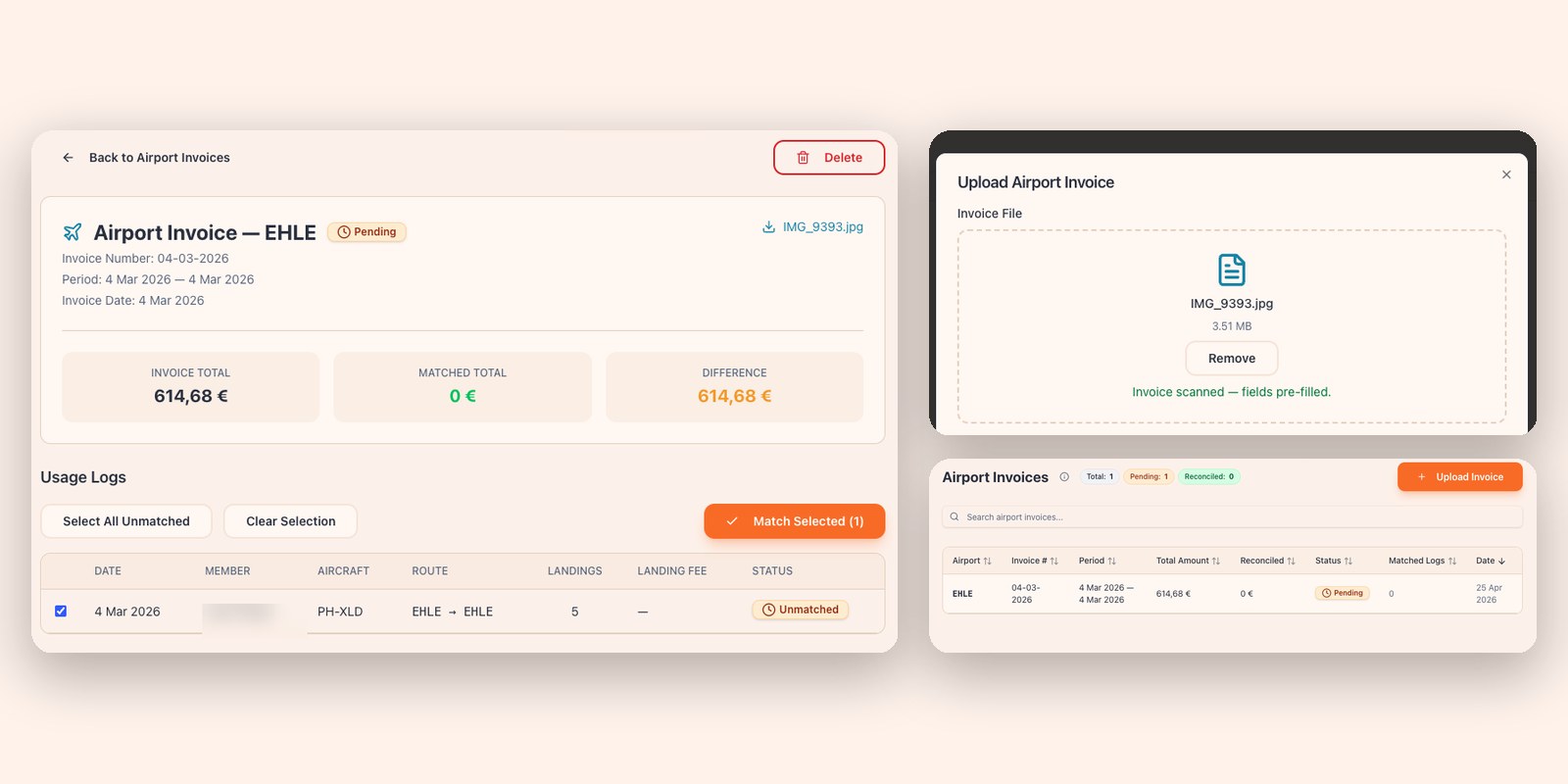
Good record-keeping is one of those quiet disciplines that pays off only when something goes wrong, and then pays off enormously. Log every flight with Hobbs and Tach times. Document every cost with a receipt. Keep proper service records on every maintenance item. Track who's flying when and where. Half of this matters because the FAA and your insurer will care, and the other half matters because the first time there's a dispute about who paid for what or who flew that hour, the answer either exists or it doesn't. Digital platforms like Kai automate most of the friction here, so the discipline doesn't have to be human discipline.
4. Talk often enough that small things stay small
A monthly or quarterly meeting — even a thirty-minute one — does more for a co-ownership than people expect. The agenda doesn't have to be elaborate: review the financials, surface upcoming costs, talk through anything maintenance is flagging, and make space for concerns before they harden into resentments. Use a dedicated communication channel rather than a generic group chat, so the asset's conversations live in one place and don't get buried under everything else the group talks about. The point isn't formality; it's that the discussion happens at all, predictably, instead of being avoided until it can't be.
5. Be ahead of maintenance, not behind it
Maintenance is the place where co-ownership most often goes wrong, because there's always one more thing to focus on first. Book annual inspections months ahead so the calendar works in your favour. Build a maintenance reserve so big-ticket items don't trigger awkward funding calls. Rotate the responsibility for arranging service rather than letting it default to whoever can't say no. Stay current on airworthiness directives and service bulletins — proactively, not when an inspector points one out. None of this is exciting work, and it's the difference between an aircraft that holds its value and one that develops a folklore of small failures.
The bottom line
Successful aircraft co-ownership isn't complicated. It's disciplined. The agreements have to be written, the booking rules have to be clear, the records have to exist, the conversations have to happen, and the maintenance has to lead the schedule rather than chase it. With those five habits and a tool that takes the friction out of them, the economics of co-ownership turn into the experience that drew everyone in to begin with.
Get started with demo groups and see how shared asset management feels when the system is doing the heavy lifting.